


Rang Panchami 2026: Why rang panchami Festival is Celebrated Five Days After Holi
Rang Panchami is a vibrant Hindu festival celebrated five days after Holi, symbolizing joy, positivity, and the victory of good over evil. Devotees celebrate with gulal, temple prayers, and colorful processions, especially in Madhya Pradesh and Maharashtra.
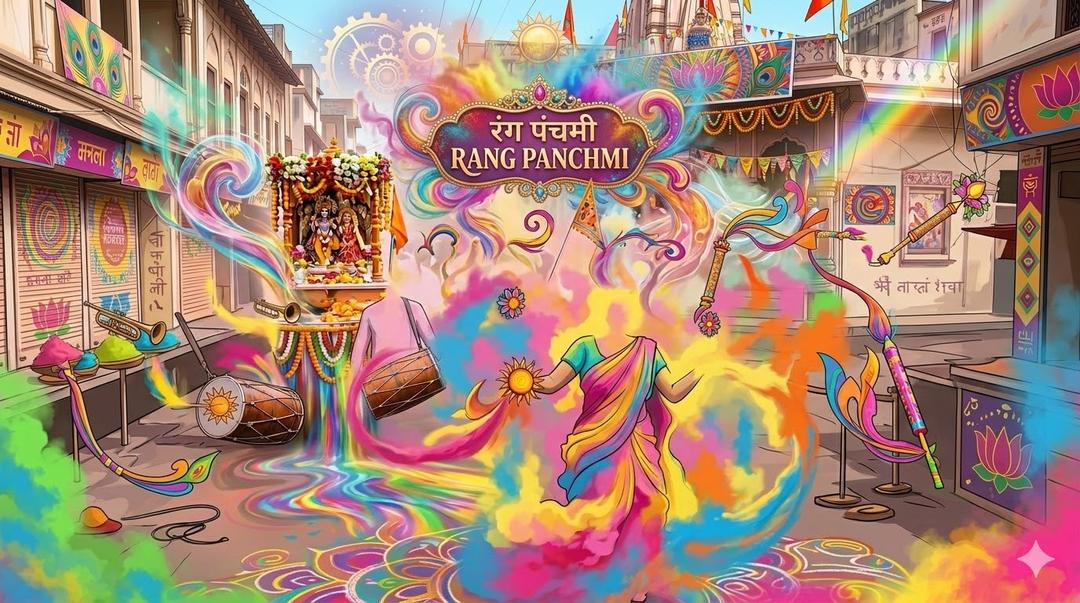
Why Rang Panchami Is Celebrated After Holi
Rang Panchami, celebrated five days after Holi, holds profound religious and cultural importance. According to traditional Hindu beliefs, this day is a time for purifying the environment and invoking divine energy, symbolized by the colorful powder thrown into the air.
While Holi is widely known across India and around the world, Rang Panchami holds special cultural and spiritual significance in several regions of the country. The festival is particularly popular in Madhya Pradesh, Maharashtra, and parts of North India, where communities gather to celebrate with colors, music, and traditional rituals.
It is believed that these colors possess the power to banish negative energies and foster a positive atmosphere. The festival serves as a joyful expression of the arrival of spring and the ultimate victory of good over evil.
Holi commences with Holika Dahan, a ritual bonfire commemorating the triumph of devotion and righteousness. The following day is characterized by colorful festivities, but Rang Panchami extends this celebratory spirit, focusing on the spiritual dimension of interacting with colors.
Date and Time:
- Panchami Tithi Begins - 07:17 PM on Mar 07, 2026
- Panchami Tithi Ends - 09:10 PM on Mar 08, 2026
How Rang Panchami Is Celebrated
- Playing with Gulal
- Temple Celebrations
- Traditional Processions
- Cultural Performances
Spiritual Meaning of Colors in Rang Panchami
Colors play a very important role in Rang Panchami celebrations. Each color has a symbolic meaning that reflects positive emotions and spiritual values.
- Red represents love, strength, and prosperity.
- Yellow symbolizes happiness, knowledge, and energy.
- Green represents harmony, growth, and new beginnings.
- Blue symbolizes calmness, devotion, and divine power.
The use of colors during the festival reminds people to embrace positivity, joy, and unity in their lives.
Tags: